
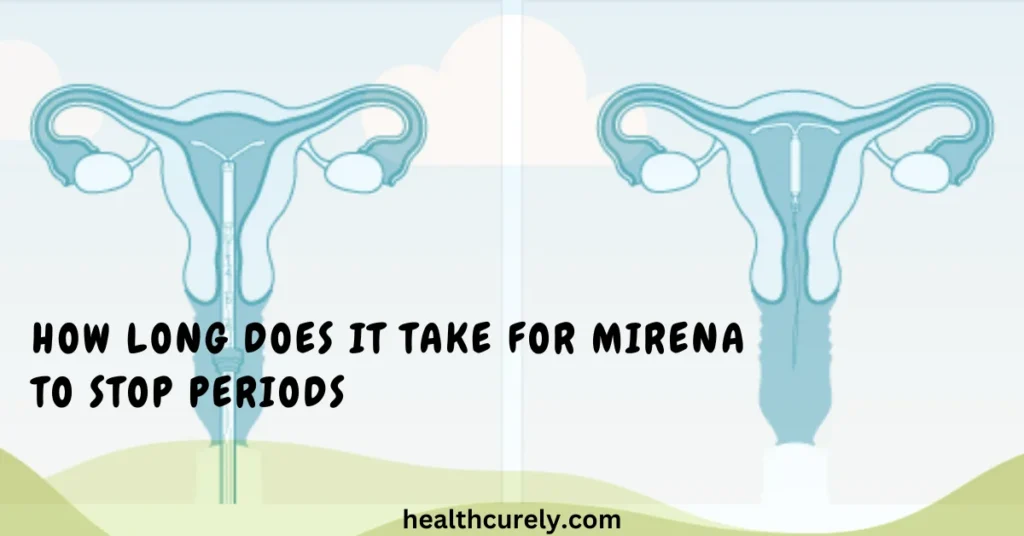

How long does it take for Mirena to stop periods is one of the most searched questions after IUD insertion. The short answer is that most women see lighter periods within three months, and many stop bleeding completely within six to twelve months.
This change does not happen overnight. Your body must adjust to the hormone release and thin the uterine lining slowly.
How Long Does It Take for Mirena to Stop Periods
Mirena releases levonorgestrel, a form of progesterone, directly into the uterus. This hormone reduces the growth of the uterine lining that normally sheds during a period.
Because the lining thins gradually, bleeding patterns shift in stages rather than stopping suddenly.
Most women experience:
- Heavier or irregular spotting in the first two months
- Noticeably lighter periods by month three or four
- Either very light bleeding or no periods by month six to twelve
What Happens in the First Three Months
Spotting and Irregular Bleeding
During the first few weeks, your uterus is learning to respond to the hormone. This often causes frequent spotting that feels unpredictable.
This phase is the most frustrating but also the most important part of the adjustment.
Hormonal Adjustment Phase
Your body is used to natural hormone cycles. Mirena changes this pattern. Until your system adapts, bleeding may come and go randomly.
Cramping Patterns
Mild cramping is common as the uterus settles around the device. This usually fades after the first month.
What Happens After Six Months
Lighter Periods or No Periods
By six months, the uterine lining has thinned significantly. There is less tissue available to shed, so periods become short or disappear.
Endometrial Thinning Process
Levonorgestrel keeps the lining thin all month long. Without buildup, the monthly shedding process slows and eventually stops for many users.
Why Some Women Stop Bleeding Faster
Hormone Sensitivity
Some bodies react strongly to progesterone. These women may stop having periods within three months.
Previous Birth Control Use
Women who used hormonal methods before Mirena often adjust faster because their uterus is already familiar with synthetic hormones.
Uterine Lining Thickness
A thinner lining at insertion means there is less tissue to shed. These women tend to see faster results.
Why Bleeding Can Continue Longer
Not everyone follows the same timeline. Some women continue to have light periods beyond a year.
This does not mean Mirena is not working. It means your body maintains a slightly thicker lining.
How Long Does It Take for Mirena to Stop Periods Completely
Complete period loss happens for about half of users within one year. Others still have occasional light bleeding.
Both outcomes are considered normal.
When Bleeding Is Not Normal
Red Flag Symptoms
You should contact a doctor if you experience:
- Bleeding that gets heavier after month four
- Severe pain that does not improve
- Foul smelling discharge
- Fever or chills
These signs may indicate infection or device displacement.
Emotional Changes During the Adjustment Phase
Hormones influence mood. Some women feel emotional sensitivity or irritability during the first few months.
As bleeding stabilizes, mood often improves.
What Your Period Pattern Might Look Like Month by Month
Month one often brings spotting.
Month two still feels irregular.
Month three begins to show lighter flow.
Month four to six usually marks a turning point.
Month seven onward is when periods may stop.
Can Mirena Make Periods Lighter Without Stopping
Yes. Many women experience short light periods rather than full absence.
This still counts as success because blood loss is minimal and symptoms improve.
What Happens to the Body When Periods Stop
Stopping periods with Mirena does not trap blood. The lining simply does not build up.
There is nothing to shed, so nothing comes out.
How Long Does It Take for Mirena to Stop Periods After Childbirth
Post pregnancy bodies often adjust faster because the uterus is already healing and reshaping.
Some women stop bleeding within three months after insertion.
How Long Does It Take for Mirena to Stop Periods After Switching Birth Control
Switching from pills or injections usually leads to a smoother transition. The adjustment phase may be shorter.
What to Expect After Mirena Removal
Once Mirena is removed, hormones leave the system quickly.
Most women see their natural periods return within four to eight weeks.
Disclaimer: The information provided on Health Curely is intended for educational use only and should not replace professional medical advice, diagnosis, or care. For any health-related issues, always seek guidance from a qualified healthcare professional.