
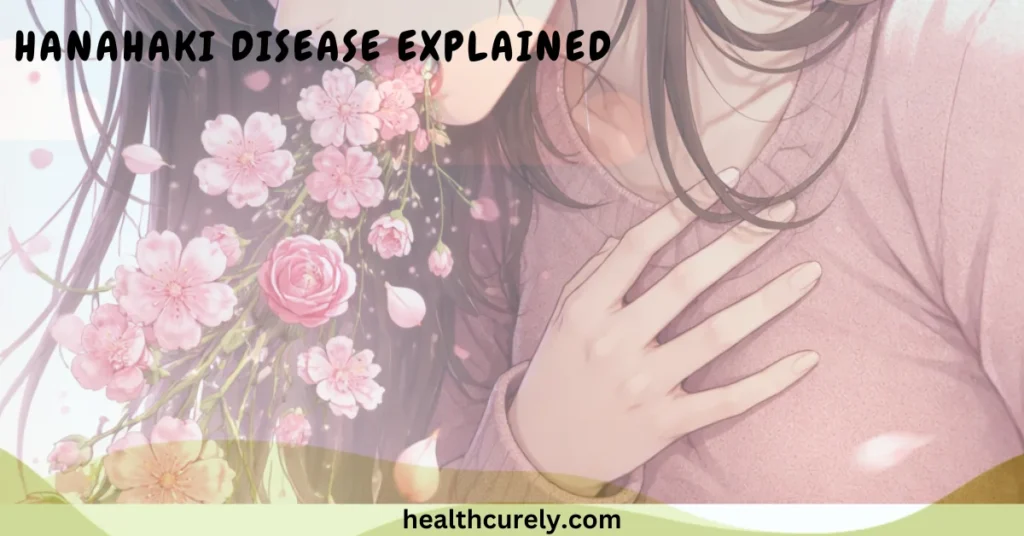

Hanahaki disease is a fictional condition, not a real medical illness. It comes from modern Japanese fiction and is used as a metaphor for unrequited love, emotional suppression, and pain that cannot be expressed openly.
This article exists to clarify what hanahaki disease actually is, why it feels real to many people, and how to separate fiction, symbolism, and emotional reality without spreading medical misinformation.
What Is Hanahaki Disease
Hanahaki disease is a fictional illness where a person coughs up flower petals or blooms because of unreturned or suppressed romantic feelings. The flowers grow in the lungs and airways, causing pain, coughing, and breathing difficulty.
In these stories, the disease progresses as long as the love remains unreciprocated. If the feelings are returned, the flowers disappear. If not, the condition worsens and may become fatal in some versions.
The disease does not exist in real medicine. It exists purely as a storytelling device.
Is Hanahaki Disease Real
Hanahaki disease is not real. There is no medical record, diagnosis, or biological mechanism that allows flowers to grow in human lungs.
The confusion happens because the symptoms described in stories resemble real physical reactions to emotional stress, such as chest tightness, coughing, and difficulty breathing.
The key difference is this. Real stress responses come from muscles, nerves, and hormones. Hanahaki disease replaces those mechanisms with symbolism.
Symptoms Of Hanahaki Disease In Fiction
In fictional portrayals, hanahaki disease follows a recognizable pattern. Symptoms are dramatic but emotionally grounded.
Commonly described symptoms include:
• Persistent coughing of flower petals
• Chest pain or tightness
• Difficulty breathing
• Emotional distress tied to unspoken feelings
• Gradual worsening if love remains unreturned
The flowers often reflect the person being loved, reinforcing the metaphor.
Origin And Cultural Background
Hanahaki disease originated in Japanese fan fiction and online storytelling communities. It later spread through manga inspired works, anime discussions, and social media platforms.
The concept blends romantic tragedy with visual symbolism, which makes it easy to adapt across different stories and characters. Over time, it became a recognizable trope rather than a single story.
Its popularity grew because it expresses emotional pain in a way that feels tangible and poetic.
Symbolism And Emotional Meaning
At its core, hanahaki disease represents emotional repression. The flowers symbolize feelings that are growing inside but cannot be expressed safely or openly.
Coughing petals reflects the physical toll of hiding emotions. Difficulty breathing mirrors how emotional pain can feel suffocating.
In many stories, the cure is not medicine but honesty, acceptance, or emotional resolution. That message is why the concept resonates beyond romance alone.
Why Hanahaki Disease Became Popular Online
Hanahaki disease spread quickly online because it combines vulnerability, drama, and visual imagery. Social media platforms favor concepts that are emotionally intense and easy to summarize.
It also allows readers and writers to explore themes of rejection, fear, longing, and emotional sacrifice without needing complex medical explanations.
The disease became a shared language for describing emotional pain in a creative way.
Common Misconceptions About Hanahaki Disease
One major misconception is that hanahaki disease could be a rare or undiscovered illness. This is not true.
Another misconception is that it represents real physical danger from unrequited love. While emotional stress can affect the body, it does not cause flowers to grow internally.
Finally, some people confuse hanahaki disease with psychosomatic illness. While psychosomatic symptoms are real, hanahaki disease is not a medical diagnosis.
Real Conditions People Confuse With Hanahaki
Certain real conditions can mimic the emotional experience described in hanahaki stories.
These include anxiety related chest tightness, stress induced coughing, panic attacks, and psychosomatic pain. These conditions are real and treatable but have biological explanations.
The similarity lies in how emotions manifest physically, not in the fictional flowers.
Why Fictional Illnesses Feel So Real
Fictional illnesses often feel real because they borrow from genuine human experiences. Pain, fear, longing, and emotional suppression all have physical effects.
When stories exaggerate those effects visually, the brain connects with them more strongly. This is why people feel deeply moved by hanahaki disease even while knowing it is fictional.
The realism comes from emotional truth, not medical accuracy.
The Role Of Hanahaki Disease In Storytelling
Hanahaki disease is often used to heighten emotional stakes. It forces characters to confront feelings they might otherwise avoid.
In some stories, the disease leads to tragic endings. In others, it leads to emotional growth and resolution. Both outcomes serve narrative purpose.
The disease is a plot device, not a warning or prediction.
How To Enjoy Hanahaki Stories Without Confusion
Understanding hanahaki disease as symbolic allows you to enjoy stories without fear or misinformation.
Treat it as a metaphor for emotional pain, not a literal illness. Appreciate the creativity rather than questioning medical plausibility.
This mindset preserves both emotional impact and factual clarity.
Why Clear Information Matters
Without clear explanations, fictional concepts can be misinterpreted, especially by younger audiences or those unfamiliar with storytelling tropes.
Clarifying that hanahaki disease is fictional protects readers from unnecessary fear while still honoring the emotional weight of the concept.
Clear information supports healthy engagement with fiction.
FAQs
Click on a question to reveal the answer
No. Hanahaki disease is entirely fictional and does not exist in real medical science.
No. Flowers cannot grow inside the human body. The concept is symbolic rather than biological.
It originated in Japanese fan fiction and later spread through online storytelling and anime communities.
The flowers visually represent suppressed or unreturned love rather than a physical illness.
It symbolizes emotional pain, unexpressed feelings, and the physical toll of emotional repression.
The Bottom Line
Hanahaki disease is not a hidden illness or rare condition. It is a fictional metaphor created to express emotional suffering in a dramatic and visual way.
Understanding what it represents allows you to appreciate the stories without confusing symbolism for reality. It is powerful because of emotion, not because of medicine.
Disclaimer: The information provided on Health Curely is intended for educational use only and should not replace professional medical advice, diagnosis, or care. For any health-related issues, always seek guidance from a qualified healthcare professional.